


WELCOME TO MACROCOSM.LONDON
Capturing opportunity beyond google
Bing Ads, now officially known as Microsoft Advertising, is one of the most strategically valuable yet often under-utilised paid search platforms in the world. While many brands pour the majority of their search advertising budgets into Google, Microsoft Advertising offers a parallel universe of opportunity, reaching millions of users through Bing, Yahoo, and AOL search networks, as well as Microsoft’s ecosystem of properties and partners.
What makes Bing Ads so compelling is its audience profile and integration into environments where professional, high-value decision-makers are active daily. Through the Microsoft network, Bing Ads reaches users via Microsoft Edge, Windows-integrated search, and Microsoft Office products, as well as through the embedded search capabilities in services like LinkedIn and Outlook. This creates a distinct opportunity for businesses to appear in front of demographics that may be more affluent, more professionally engaged, and more receptive to high-value products and services.
At Macrocosm.London, we position Bing Ads as a critical component of The Art of Visibility. For brands seeking comprehensive coverage across the search landscape, Microsoft Advertising offers a cost-effective and high-quality route to reach an audience segment that many competitors overlook.
Ads can also be viewed on Yahoo and AOL search engines, as well as on a network of partner websites. This dramatically increases the reach, making ensuring that campaigns aren't limited to just one search engine but may be seen on many other digital properties.
Google doesn't offer the same targeting choices as Microsoft Advertising. LinkedIn profile targeting is one of the most interesting features. It helps advertisers change their ads based on a user's job, company, or industry. This is a big deal for B2B marketing since it allows you target business decision-makers with incredible accuracy.

THE ALTERNATIVE
How Bing Advertising works
Bing ads work a lot like Google Ads. They use an auction system to choose which ads to show for a certain search. The system decides where to put the ad based on the bid price and the quality score. Advertisers bid on certain terms. The quality score looks at the click-through rate, the quality of the ad copy, and how well the landing page functions to see how relevant an ad is. It’s important to make sure that your ads are relevant and optimised because ads with higher quality scores can often receive better placements for less money.
The audience and price are what make Bing Ads different from Google Ads. Because Bing has a smaller market share, there is sometimes less competition for terms on Bing than on Google. This usually means cheaper cost-per-click prices, which means that advertisers can gain more exposure for less money.
Bing Ads can also let you reach very precise groups of individuals. Advertisers may pick when their ads show up, what kinds of devices they show up on, and even how much they pay based on who sees them. This approach of using LinkedIn data enables targeting even more precise than on any other search advertising platform
OF VISIBILITY
visibility built into every format
Bing Ads aren’t one size fits all. Each campaign type is designed to reach users across Microsoft’s ecosystem, including Bing Search, Microsoft Edge, Outlook, and partner networks. By leveraging formats such as search, shopping, display, and audience campaigns, businesses can capture intent, expand visibility, and drive performance across multiple touchpoints.
EXPANDED
TEXT ADS
This is how Bing’s search results usually look. You give Bing headlines, descriptions, and URLs, and it finds searches that match them. ETAs on Bing are comparable to those on Google, but they frequently have less competition, which means higher CTRs at a lower cost.
RESPONSIVE
SEARCH ADS
With RSAs, you provide Bing a bunch of different headline and description possibilities, and it automatically puts together the best ones based on the search query. This format changes based on what the user wants and what device they’re using, allowing for ad optimisation over time.
MULTIMEDIA
ADS
Multimedia Ads appear prominently at the top of the SERP, combining high-quality images with headlines and text. Designed for visual impact, they draw the eye and deliver enhanced engagement. Ideal for e-commerce, events, and services with visual appeal.
PRODUCT ADS
Ads for Products Bing Product Ads are like Google Shopping in that they show off your products with pictures, prices, and direct links to buy them. These show up in Bing Shopping results and help those who are ready to buy by making the product data easy to find and structured.
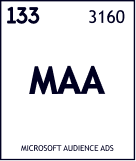
MICROSOFT
AUDIENCE ADS
Audience You can see these native advertisements on Microsoft’s content network, which includes MSN, Outlook, and Edge. They fit nicely with content experiences and use AI and LinkedIn data to give you powerful B2B targeting and a wider brand reach.
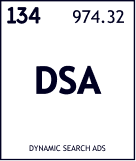
DYNAMIC
SEARCH ADS
DSAs make headlines and landing pages for you based on the content of your website. They match search queries to the most appropriate page, filling in gaps in keyword coverage and making information more visible
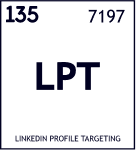
LINKEDIN
PROFILE
TARGETING
Using LinkedIn data to target users by job function, organisation, and industry is one of the best things about Microsoft Advertising. This works especially well for B2B businesses and hiring efforts

CALL ADS AND
EXTENSIONS
These let people call your business right from the ad, which makes it easier to convert. Call Ads are great for businesses who provide services, make reservations, or make transactions and want to talk to people directly.
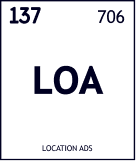
LOCATION ADS
These work with Bing Maps to offer information about nearby businesses, directions, and how close they are. Great for getting people to come to your store or use location-based services.
APP INSTALL
ADS
These adverts are made for mobile apps and send users to app stores to install them. They automatically figure out what kind of gadget you’re using, which makes it easier for app-based businesses to download.
visibility built into every format
EXPANDED
TEXT ADS
This is how Bing’s search results usually look. You give Bing headlines, descriptions, and URLs, and it finds searches that match them. ETAs on Bing are comparable to those on Google, but they frequently have less competition, which means higher CTRs at a lower cost.
RESPONSIVE
SEARCH ADS
With RSAs, you provide Bing a bunch of different headline and description possibilities, and it automatically puts together the best ones based on the search query. This format changes based on what the user wants and what device they’re using, allowing for ad optimisation over time.
MULTIMEDIA
ADS
Multimedia Ads appear prominently at the top of the SERP, combining high-quality images with headlines and text. Designed for visual impact, they draw the eye and deliver enhanced engagement. Ideal for e-commerce, events, and services with visual appeal.
PRODUCT
ADS
Ads for Products Bing Product Ads are like Google Shopping in that they show off your products with pictures, prices, and direct links to buy them. These show up in Bing Shopping results and help those who are ready to buy by making the product data easy to find and structured.
MICROSOFT
AUDIENCE
ADS
Audience You can see these native advertisements on Microsoft’s content network, which includes MSN, Outlook, and Edge. They fit nicely with content experiences and use AI and LinkedIn data to give you powerful B2B targeting and a wider brand reach.
DYNAMIC
SEARCH ADS
DSAs make headlines and landing pages for you based on the content of your website. They match search queries to the most appropriate page, filling in gaps in keyword coverage and making information more visible.
LINKEDIN
PROFILE
ADS
Using LinkedIn data to target users by job function, organisation, and industry is one of the best things about Microsoft Advertising. This works especially well for B2B businesses and hiring efforts
CALL ADS
AND
EXTENSIONS
Audience You can see these native advertisements on Microsoft’s content network, which includes MSN, Outlook, and Edge. They fit nicely with content experiences and use AI and LinkedIn data to give you powerful B2B targeting and a wider brand reach.
LOCATION
ADS
These work with Bing Maps to offer information about nearby businesses, directions, and how close they are. Great for getting people to come to your store or use location-based services.
APP INSTALL
ADS
These adverts are made for mobile apps and send users to app stores to install them. They automatically figure out what kind of gadget you’re using, which makes it easier for app-based businesses to download.
By running advertisements on Bing as well as Google advertisements, brands can get higher market share without paying a lot more on advertising. People that use Bing tend to make more money, be more likely to be managers, and be more likely to convert in certain industries, such B2B and high-ticket B2C.
We use Bing Ads to make sure that our clients' plans for being seen cover everything. This means not just being present in the largest search market but also dominating in the secondary networks that offer strong conversion potential and often a better return on investment.

Core Tactics of Bing Ads
Our approach to Bing Ads includes several tactics to maximise performance:
THE POWER
Why Bing ads matter right now
The search landscape is evolving rapidly, with AI increasingly shaping how results are presented. Microsoft has been at the forefront of integrating AI into search, particularly through its partnership with OpenAI and the integration of AI-powered Bing Chat (now referred to as Microsoft Copilot in some contexts). This creates a hybrid search experience where both traditional results and conversational answers are served to the user.
Bing Ads provides a pathway to visibility in these AI-augmented environments. While Google is also rolling out AI-driven search features, Microsoft’s early adoption and integration create unique opportunities for brands to be surfaced in new, interactive formats.
Furthermore, as privacy changes and tracking limitations affect digital advertising, platforms with direct user data (like Microsoft via Windows and LinkedIn) will become even more valuable for targeting. This is why Bing Ads is not just a “secondary” channel but a critical piece of a future-ready visibility strategy.
OF BING ADS
We also follow tight testing rules, such changing the text of ads, the layout of landing pages, and the way we bid, to keep achieving better results. We don't just want clicks; we want those clicks to clearly help our business

Frequently Asked Questions
FAQS
Bing reaches a unique, affluent demographic with lower CPCs and less competition. Its integration with Microsoft AI tools like Copilot and Edge gives your brand presence in emerging AI interfaces.
We use Bing to test generative query clusters and to inform answer-engine positioning. Bing’s SERPs are often used in AI Overviews and summaries—making your presence here disproportionately powerful.
Yes. Microsoft’s ownership of LinkedIn enhances audience targeting. We synchronise campaigns with professional interests and roles—boosting brand exposure in AI-generated business recommendations.
Yes. Our campaigns are designed to trigger citations across Microsoft’s generative stack, increasing your brand’s presence in AI responses—even outside traditional search.
It’s a hidden visibility lever. We treat Bing Ads not as an afterthought, but as a low-noise, high-value driver of influence—particularly effective in LLM and enterprise AI landscapes.
Real Partnerships. Real impact. Real visibility


MACROCOSM
WE DO NOT OVERLOOK ALTERNATIVES. WE CAPTURE VISIBILITY IN UNTAPPED ECOSYSTEMS.
LONDON



